California Window Tint Laws Explained: What Drivers in Downey Need to Know
February 24, 2026
California is known for its sunny climate, and drivers across the state face unique challenges in managing heat, glare, and UV exposure while on the road. Window tinting has become a popular solution for improving comfort, protecting vehicle interiors, and enhancing privacy. However, California enforces strict laws regarding window tinting, and failure to comply can result in fines, citations, or even mandatory removal of noncompliant films. For residents in Downey, understanding these regulations is crucial to ensure both safety and legality. Window tinting is not just a cosmetic upgrade—it directly affects driving visibility, safety in various weather conditions, and long-term vehicle maintenance. Ignorance of the law can lead to unnecessary expenses and legal complications that are easily avoidable with proper knowledge.
Navigating the specifics of window tint laws can be confusing, as the rules vary depending on the type of vehicle, window location, and permissible light transmission levels. Beyond legal compliance, proper window tinting provides tangible benefits, including reducing interior heat, protecting skin from harmful UV rays, and maintaining a clearer view of the road. Additionally, tinting can enhance privacy and security by limiting outside visibility while improving overall driving comfort during peak sunlight hours. This comprehensive guide explains California’s window tint regulations, outlines practical considerations for drivers, and provides actionable advice for ensuring your vehicle meets legal standards while maximizing comfort and safety. Whether you are considering professional installation or a DIY approach, being informed is the first step toward making smart choices that comply with state law and protect your investment for years to come.
The Benefits of Legal Window Tinting
Heat Reduction and Comfort
One of the primary benefits of window tinting is minimizing heat inside the vehicle. Tint films reduce the amount of sunlight entering the cabin, keeping interiors cooler during California’s hot summers. This not only improves driver comfort but also reduces the reliance on air conditioning, which can improve fuel efficiency.
UV Protection
Window tints can block up to 99% of harmful ultraviolet (UV) rays, preventing skin damage and slowing the fading of seats, dashboards, and electronics. Drivers in Downey, where sun exposure is high year-round, gain significant protection for both themselves and their vehicles by using properly installed, legal tinting films.
Glare Reduction
Glare from sunlight or headlights can increase the risk of accidents. Tints reduce glare, enhancing visibility and reducing eye strain for drivers, especially during early morning or late afternoon commutes. Legal tinting ensures glare reduction without compromising the driver’s ability to see clearly.
Privacy and Security
Tinted windows provide added privacy, preventing outsiders from easily viewing personal belongings inside the vehicle. Additionally, darker rear tints can deter potential theft attempts by obscuring the view of valuable items, all while remaining compliant with California law.
Aesthetic Appeal
Beyond functionality, window tinting can improve the overall appearance of a vehicle. While aesthetics are subjective, adhering to legal limits ensures that style does not compromise safety or result in fines.
Cost Savings
By protecting interiors from UV damage and heat, tinting can extend the lifespan of upholstery and electronics. This translates to long-term savings on repairs and replacements, making compliance a smart financial choice as well.
Common Challenges and Misconceptions
Misunderstanding VLT Percentages
Many drivers assume “darker is better” without understanding VLT percentages. Installing a film that is too dark, particularly on front windows, is the most common legal violation. Measuring film darkness requires a professional light meter, making DIY estimations risky.
DIY vs. Professional Installation
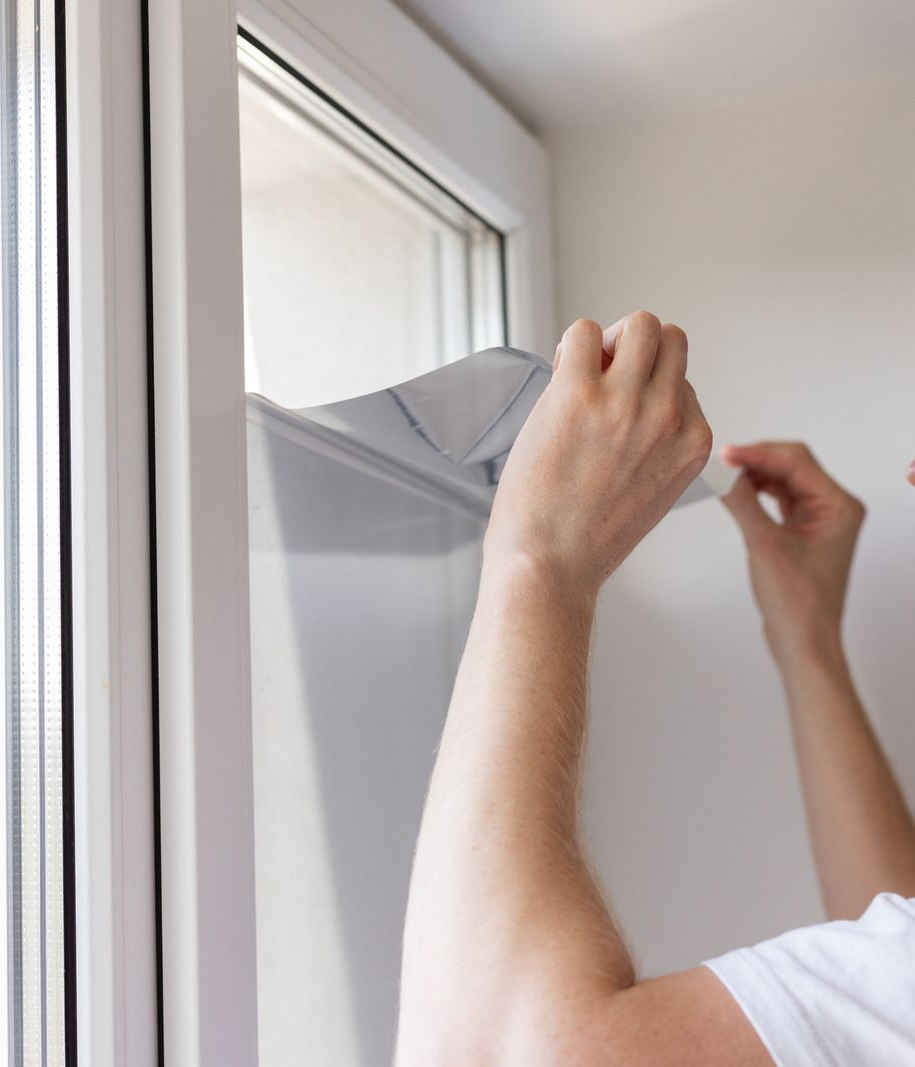
While DIY kits are widely available, improper application can lead to bubbles, peeling, or uneven tint. More importantly, incorrectly applied film may fail to meet California’s VLT requirements, resulting in legal issues. Professional installers ensure the correct VLT is applied and provide documentation proving compliance.
Confusion About Medical Exemptions
California allows medical exemptions for certain conditions, such as extreme photosensitivity. However, these exemptions require proper documentation and DMV approval. Misunderstanding this process can lead drivers to assume they are legally compliant when they are not.
Enforcement Variations
Local law enforcement practices vary, and some officers may scrutinize tints more strictly than others. Drivers in Downey should be aware that visibility checks can occur during routine stops, vehicle inspections, or after traffic incidents. Compliance is the safest approach to avoid fines.
Reflective and Colored Films
Certain reflective or colored films are illegal if they reduce visibility. Drivers often mistakenly believe that adding a mirrored or blue-tinted film to side windows is acceptable. Understanding the legal boundaries prevents costly citations.
Best Practices for Legal Window Tinting
Consult Official Guidelines
Always refer to the California Vehicle Code (CVC §26708 and §26708.5) before selecting a tint. The code specifies VLT limits, film placement, and exceptions. Consulting official sources ensures accurate compliance information.
Choose Quality Films
Invest in high-quality films that meet California’s specifications. Premium films often carry warranties, UV protection, and clarity assurances. Inferior films may degrade quickly or fail to meet VLT requirements.
Professional Installation
Hiring a certified tinting professional ensures accurate application, compliance documentation, and lasting performance. Professionals can also recommend films that optimize heat reduction and glare control while remaining legal.
Keep Compliance Documentation
California requires that certain films carry a certification sticker or other documentation. Drivers should retain proof of legal compliance in the vehicle to present if asked during traffic stops or inspections.
Consider Window Placement
When selecting tint levels, consider the function of each window. Front windows require lighter tints for visibility, while rear windows can accommodate darker films. Balancing compliance, privacy, and comfort is key.
Periodic Maintenance and Inspection
Tint films can degrade over time due to sun exposure and wear. Regular inspections ensure the film remains compliant, free from bubbles, peeling, or discoloration that may violate the law.
Penalties for Non-Compliance and How to Avoid Them
Fines and Citations
Violating California window tint laws can result in fines ranging from $25 to $200, depending on the severity and location of the violation. Repeat offenders may face higher penalties and mandatory film removal.
Court Orders and DMV Actions
In some cases, a judge may require the vehicle owner to remove illegal tints. Additionally, failing to comply with mandated removal can lead to DMV notifications or further legal actions.
Increased Insurance Risks
Non-compliant tinting can affect insurance claims if visibility issues contribute to an accident. Insurers may reduce coverage or deny claims if illegal tinting is involved in a crash.
Avoiding Legal Issues
The most effective strategy is to stay informed and choose professional installation that adheres to California standards. Regularly reviewing VLT compliance and keeping documentation ensures drivers in Downey remain on the right side of the law.
Real-World Example
Consider a driver pulled over on the 605 Freeway in Downey for dark front windows. A citation could cost $150, plus removal expenses. Compliance from the start prevents this scenario while providing all the benefits of tinted windows.
Trusted Tinting Solutions Backed by Local Experience
Navigating California’s window tint laws is essential for drivers in Downey who want to maximize comfort, privacy, and protection while staying fully compliant. Understanding VLT limits, recognizing the distinction between front and rear windows, and choosing high-quality, legally approved films are critical steps to avoid fines, insurance complications, or safety hazards. From heat reduction to UV protection, tinted windows offer real-world advantages, but legal adherence remains the cornerstone of responsible driving.
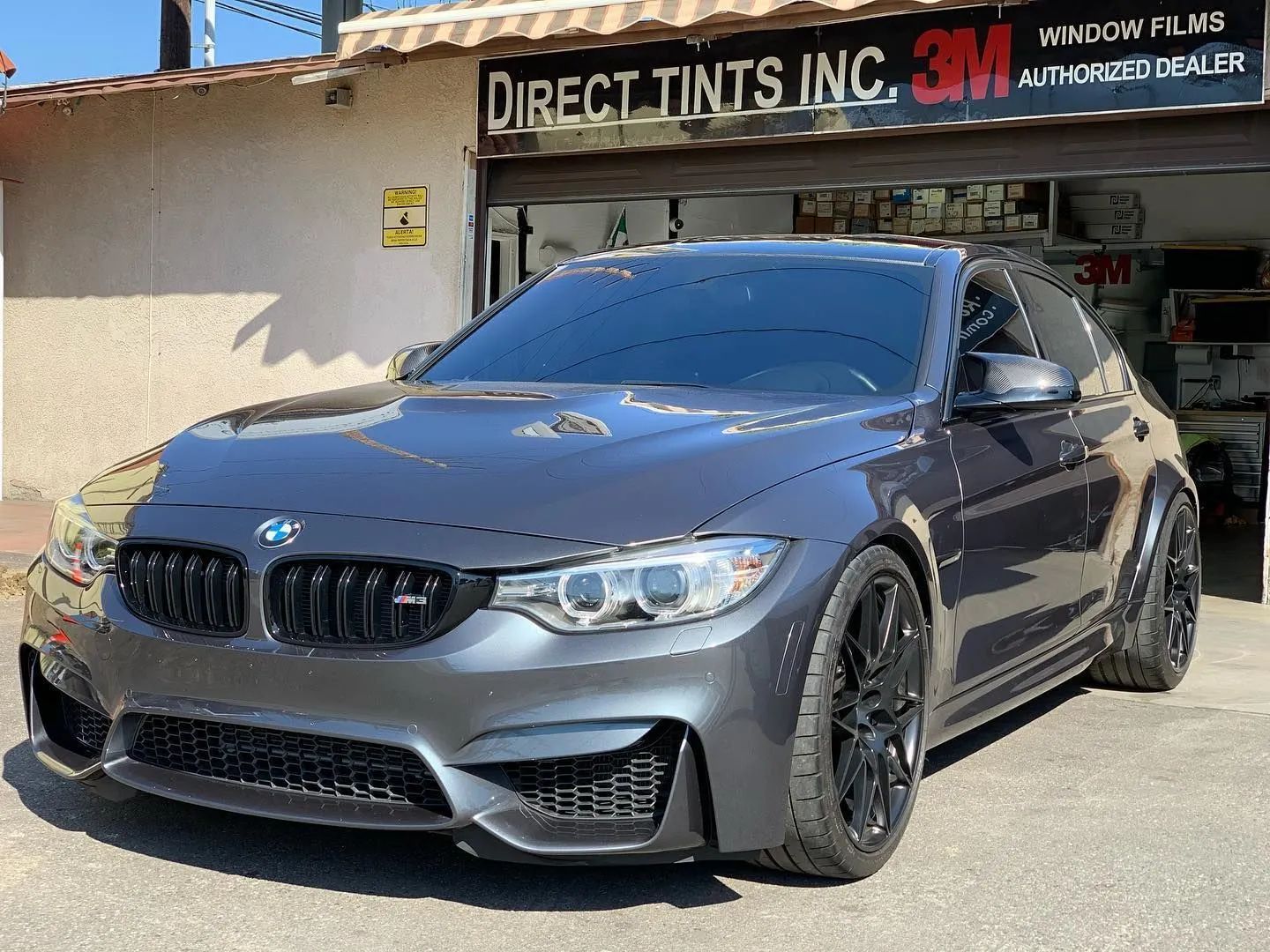
For vehicle owners seeking professional guidance, Direct Tints Inc
in Downey, California, offers 30
years of expertise in window tinting services. Their team specializes in precise, legal installations tailored to local regulations, ensuring drivers enjoy the benefits of tinting without the risks. With a commitment to quality, transparency, and customer satisfaction, Direct Tints Inc
is a trusted authority for
window tint solutions, helping Downey drivers protect their vehicles, improve comfort, and maintain compliance with California’s strict tint laws.
Understanding California Window Tint Laws
What Are Window Tint Regulations?
California’s window tint laws are designed to balance safety, visibility, and driver comfort. The regulations define how much light must pass through each window, referred to as Visible Light Transmission (VLT). Essentially, VLT is expressed as a percentage, indicating the amount of light allowed through the film. Lower percentages mean darker tint, while higher percentages indicate lighter tint. Compliance with these standards ensures that drivers maintain clear visibility, while law enforcement can still see inside the vehicle when necessary.
Legal Limits for Different Windows
In California, the front side windows must allow more than 70% of light to pass through. The rear side windows and rear windshield can have darker tinting, though some restrictions apply. Mirrors or reflective coatings are generally prohibited if they interfere with visibility. The law also allows medical exemptions for drivers who require darker tints due to specific health conditions. Violating these limits can result in fines and mandatory removal, making it critical to know which windows have strict restrictions.
Real-World Example
A Downey driver who installed a dark film on their front side windows may face a citation during a routine traffic stop. While rear and back windows offer more flexibility, front-side violations are the most common causes of legal issues. Understanding the exact percentages and approved film types can prevent unnecessary fines.