Commercial Window Tinting: How Downey Businesses Can Reduce Glare and Heat
September 30, 2026
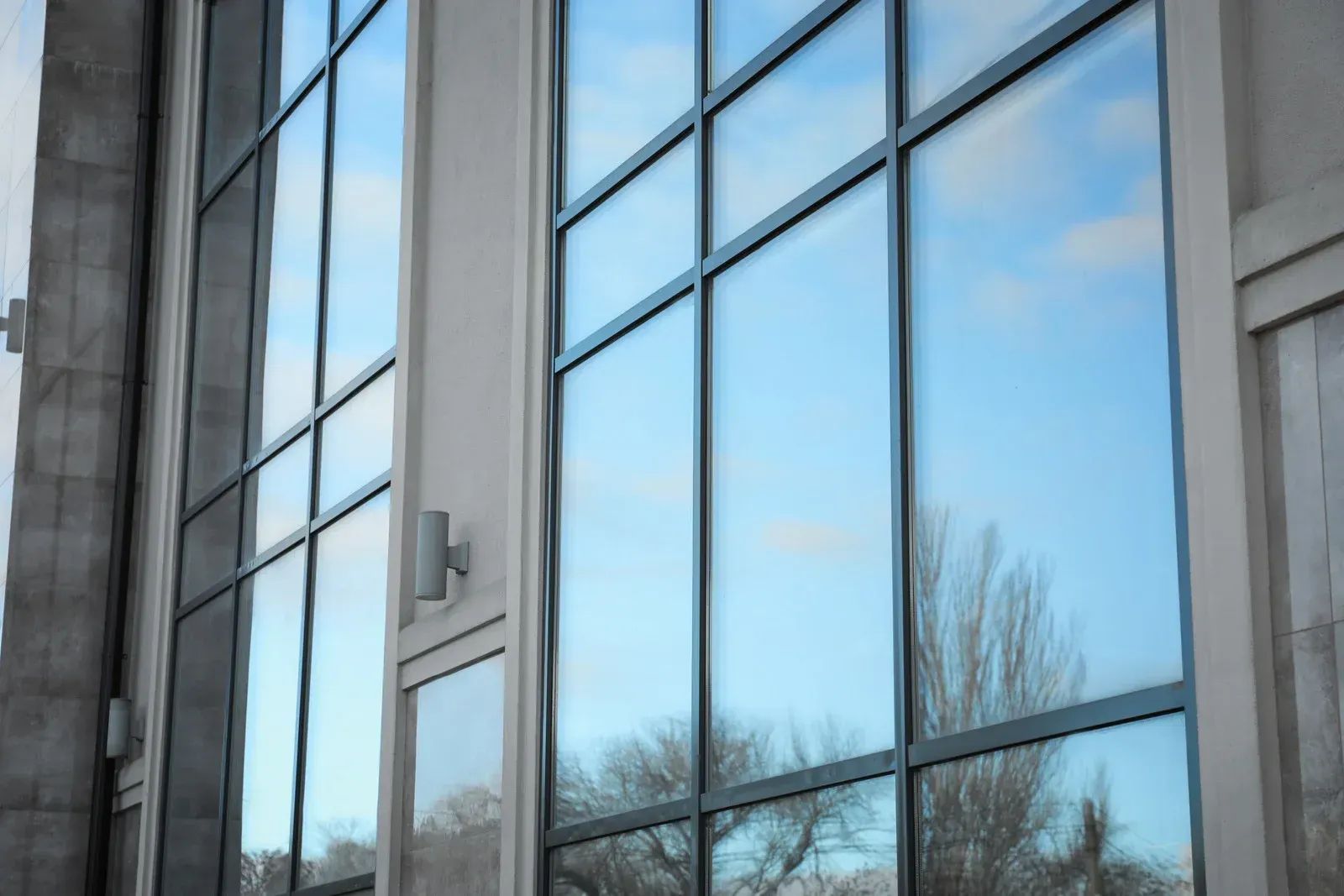
Quick Answer: Professional commercial window film typically blocks up to 99% of ultraviolet rays and cuts solar heat gain by roughly 40 to 70%, with the exact number depending on how dark a film a business chooses. Glare on screens, merchandise, and countertops drops by a similar range, often 50% or more, without losing the natural light that makes a storefront or office feel open. Modern ceramic and spectrally selective films manage this without the mirrored, dark look older metallic films required, so a business can dial in exactly how much heat and glare gets stopped while still keeping the space bright and the storefront visible from the sidewalk.
By early afternoon, the west-facing glass at the front of a Downey business has usually turned into the least comfortable spot in the building. A retail counter sits directly in a shaft of hard sunlight, an employee at a front desk has angled a monitor sideways just to read it, and the air conditioning is running harder than it needs to just to keep the front third of the space livable. None of that is a design flaw. It's what ordinary commercial glass does with strong, direct sun, and it's a pattern that repeats across storefronts, offices, and service counters throughout Southeast Los Angeles County almost every clear afternoon of the year.
Why Ordinary Commercial Glass Lets Heat and Glare Straight Through
Untreated glass is not built to manage sunlight. It's built to let light through, full stop, along with most of the heat energy riding along with it. When sunlight hits a standard commercial window, a large share of that solar energy passes directly into the building, where it warms floors, merchandise, and equipment and keeps radiating heat back into the room long after the sun has moved. The glass itself does almost nothing to slow that transfer down.
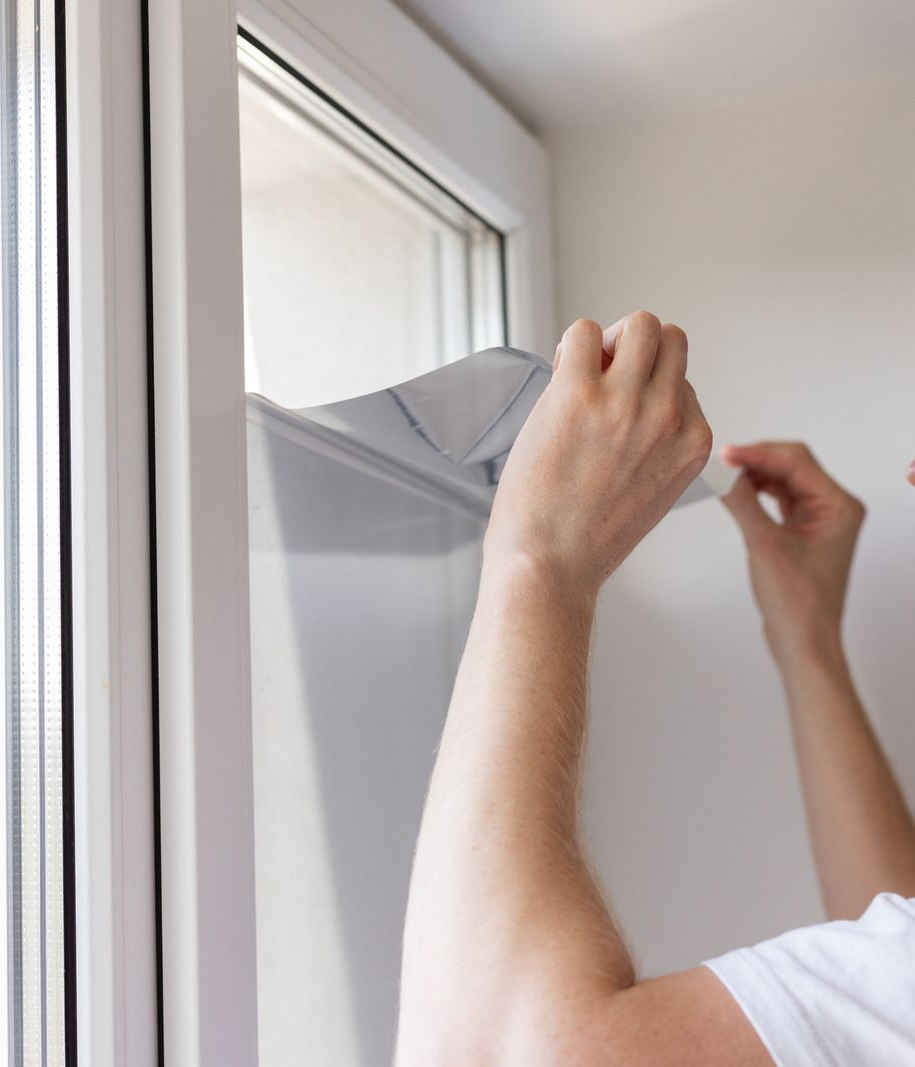
That's the entire function of a solar control film: it sits on the interior surface of the glass and selectively manages what gets through. Heat-carrying infrared energy gets reflected or absorbed before it ever reaches the room, while visible light is allowed through at whatever level the business chooses. The result is a window that still looks like a window and still lets people see in and out, but stops behaving like a heat lamp aimed at the front of the store.
Where This Shows Up Across Different Kinds of Downey Businesses
Storefronts And Retail Glass
A sunny display window sells merchandise, but it also fades it. Fabric, packaging, signage, and flooring near the glass take the brunt of both heat and UV exposure, and a customer browsing at the window in July is not lingering as long as one browsing in a comfortable space. Film keeps the display visible from the sidewalk while cutting the heat and UV load hitting both the goods and the shopper standing in front of them.
Office Space And Workstations
Desks near west- or south-facing glass are usually the least popular seats in the building for a reason. Screen glare forces awkward monitor angles and washed-out displays, and the temperature swing between a shaded interior desk and a sun-hit perimeter desk can be significant enough that facilities ends up fielding complaints about it every summer. Film evens that out across the floor plan instead of leaving a handful of desks permanently uncomfortable.
Restaurants And Service Counters
Dining areas and front counters depend on natural light to feel welcoming, which makes blackout curtains or permanently drawn blinds a poor fix. Film lets that light stay in while pulling out the heat and glare that make a window seat something guests try to avoid during the hottest part of the day.
How Much Heat and Glare Actually Get Blocked
The honest answer is that it depends on which film a business picks, because heat rejection and glare reduction both scale with how much visible light the film lets through. A lighter film that keeps a storefront looking almost untinted from the outside will land toward the lower end of the performance range. A darker film built for maximum heat and glare control will land toward the top of it, at the cost of transmitting less natural light into the space.
Dyed and standard metallized films sit at the more affordable end of the category and still meaningfully cut heat and glare, generally in the 40 to 65% range for heat rejection, though older metallized products can interfere with cell signal and Wi-Fi because of the metal content in the film itself.
Ceramic and spectrally selective films use nano-ceramic particles instead of metal or dye to manage solar energy, which is why they've become the standard choice for most commercial storefronts and offices. They typically reject somewhere in the 55 to 70% range of solar heat, block close to the full range of UV rays, and cause no signal interference at all, while still preserving enough visible light that the space doesn't feel dim or artificially darkened.
Tip: Don't pick a film based on darkness alone. Two films with very similar tint appearance from the sidewalk can perform completely differently on heat rejection depending on the technology inside them, so it's worth asking specifically what percentage of solar heat and UV a film actually blocks rather than judging by how dark the glass looks.
What a Site Assessment Actually Looks At
The right film for one business is rarely the right film for the one next door, even on the same block. Orientation matters more than almost anything else. A west-facing storefront on a major corridor takes a very different sun load than a north-facing office suite tucked behind another building, and a proper assessment accounts for that before recommending a specific film rather than defaulting to a single one-size-fits-all product.
Glass type matters just as much. Older single-pane storefront glass behaves differently under film than newer insulated, dual-pane glazing does, and the wrong film on the wrong glass type can create thermal stress that the glass wasn't engineered to handle.
Warning: Skip installing a high-heat-rejection film on older dual-pane or insulated glass units without having the glass checked first. Absorbing too much solar energy on the wrong glazing can create thermal stress that leads to cracking, well before the film itself would otherwise need replacing. A short glass evaluation before installation avoids that problem entirely.
Business type factors in too. A healthcare waiting room, a retail floor, and a warehouse loading dock all have different priorities around privacy, visibility, and how much natural light needs to stay in the space, and the film recommendation shifts accordingly.
What Businesses Notice Beyond Glare and Heat
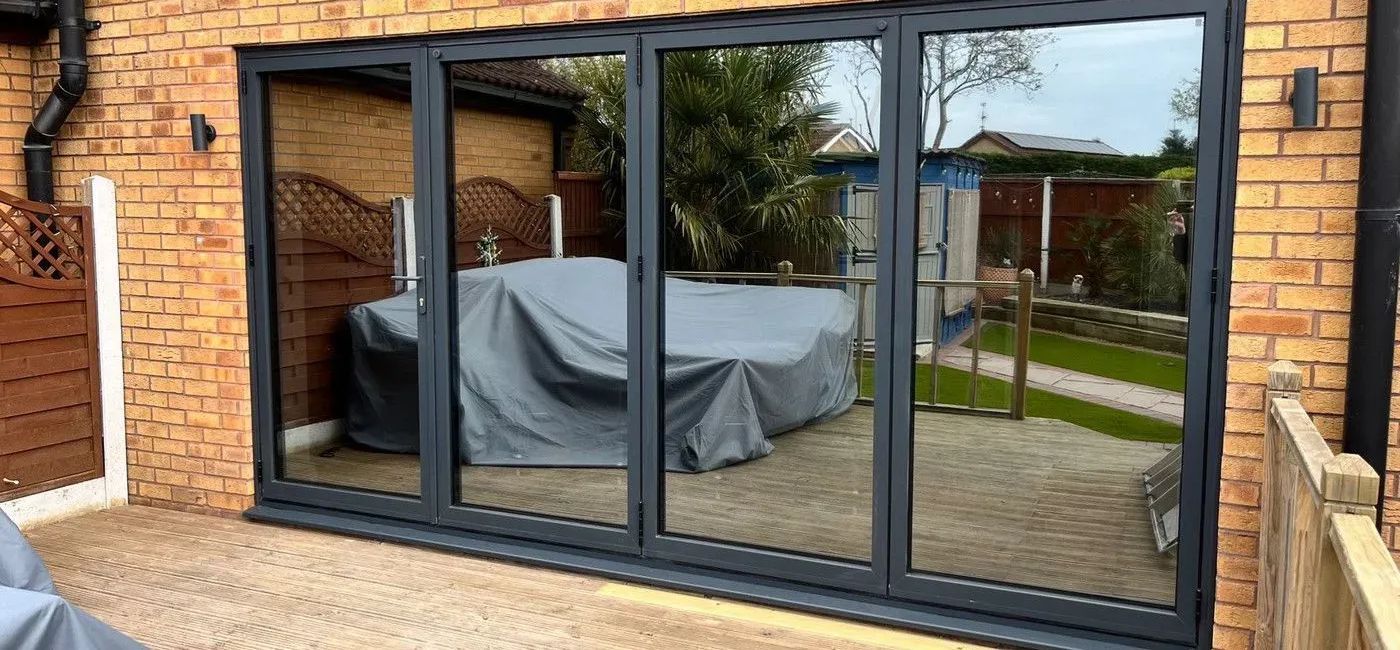
Once heat and glare are under control, a few other changes tend to show up that businesses don't always expect going in. UV protection extends the life of merchandise, flooring, upholstery, and signage that would otherwise fade on a predictable schedule near sun-exposed glass. Daytime privacy improves as well, since a properly filmed window reads as reflective from the outside during daylight hours while staying clear from the inside, which matters for ground-floor offices and storefronts facing a sidewalk or parking lot. None of that replaces dedicated security film or custom branding graphics, which solve different problems entirely, but it's a real secondary return on a film chosen primarily for heat and glare..
Not Every Window in the Same House Wears at the Same Rate
Two windows installed with identical film on the same day can look meaningfully different five years later, and the reason almost always comes down to orientation and exposure. West-facing glass absorbs the harshest, most direct light of the day during the hottest hours, and it tends to show fading or performance loss first. South-facing windows run a close second, especially anything without an overhang, awning, or mature tree offering partial shade.
North-facing glass and windows tucked under a covered patio or deep eave see a fraction of the direct exposure and often perform noticeably longer than the same film would elsewhere on the same house. Skylights and other glass that faces almost straight up take some of the most punishing exposure of all, since there's rarely any structure blocking the sun overhead the way a wall does for vertical glass.
This unevenness is normal, and it's worth expecting rather than being surprised by. A homeowner who assumes every window will fail on the same schedule is often caught off guard when the west-facing kitchen window needs attention years before the shaded north bedroom window shows any change at all.
Matching the Film to How the Glass Actually Gets Used
There isn't one right answer for how much heat and glare a commercial building should block. A storefront that lives or dies on visibility from the sidewalk needs a different film than a back office nobody walks past, and a business on a shaded north wall has a different problem than one absorbing direct afternoon sun on an open corridor. What matters is starting from how the space actually gets used at 2 or 3 in the afternoon, not from a general assumption about what commercial tint is supposed to look like.
Frequently Asked Questions
Will tinting make our storefront or office feel too dark inside?
Not with modern films chosen correctly. Ceramic and spectrally selective films filter heat and glare while transmitting a meaningful share of visible light, so the space stays bright rather than dim.
Does commercial window film interfere with Wi-Fi or cell signal?
Only older metallic films do, because of their metal content. Ceramic and other spectrally selective films cause no interference with Wi-Fi, cellular signal, or wireless point-of-sale equipment.
Can film be added to our existing storefront glass, or do the windows need to be replaced?
Film goes directly onto existing glass in almost every case. Certain older or specialty glazing should be evaluated first to confirm which film types are compatible.
How is commercial window film different from the tint on a car or a house?
The technology overlaps, but commercial film is chosen for outside visibility, larger glass sheets, and long occupied hours. Those priorities shape the recommendation differently than a home or vehicle project.
Will customers or employees notice a change in how the building looks from outside?
The change is usually subtle. Most heat and glare films read as a light, even tone, so the building keeps its appearance and signage stays fully visible.
If our business shares a building with other tenants, can just our unit's glass be tinted?
Yes. Film is applied unit by unit, so one tenant can film their glass without coordinating with neighbors, aside from normal building access for installation.
Cooler, Brighter Glass Your Business Can Count On
Glare and heat do not have to be a fixed part of a west-facing storefront or office. When the film is matched to the glass, the orientation, and the way the space is used at two or three in the afternoon, the front of the building stops working against the people inside it. Screens become readable again, merchandise stays out of the fade zone, and the air conditioning no longer fights a losing battle. The building keeps its natural light and its street presence while feeling noticeably calmer.
Direct Tints Inc
has spent 30
years working with businesses in Downey, California, and the results tend to follow the same pattern. A film chosen after a proper look at the glass performs quietly for years, without dimming the space or interfering with wireless equipment. Owners and staff usually stop thinking about the windows altogether, which is the best sign the film is doing its job. What remains is a comfortable, well-lit workplace that customers are happy to linger in.