How Residential Window Tinting Reduces Energy Costs in Downey Homes
June 30, 2026
It is three in the afternoon in July. The living room faces west, sun pouring through the big front window, and the air conditioner has been running since noon without a break. You can feel heat coming off the glass from across the room. The thermostat reads one number, but the space feels ten degrees warmer than that. If this is your house every summer, here is the short version: most of that heat is arriving straight through your windows, and adding film to the glass is the quickest way to stop it.
We have spent years tinting homes across this part of Los Angeles County, and the same complaint shows up on nearly every visit. Rooms that bake by mid afternoon. An AC that never quite catches up. Power use that climbs the moment the weather turns. The glass is the weak point in almost every house we walk into, and once you see why, the fix starts to make a lot of sense. Window film is not a luxury upgrade here. In Downey, it is one of the most direct ways to take pressure off your cooling system.
Which Windows in Your Home Need It Most
Start with the glass that takes the afternoon sun, because that is where film earns its keep first. West facing windows get hammered from about two o'clock until sunset, the exact hours your house is already at its hottest. South facing glass runs a close second, soaking up sun for most of the day. If your budget for the project is tight, we often suggest treating those orientations first and adding the rest later. You will feel the difference in the worst rooms almost immediately.
Big windows matter more than small ones, so a large living room slider or a wide bedroom window is worth prioritizing over a small bathroom pane. Skylights and any room over the garage tend to run hot too, since heat builds above and below them. On most homes we look at, treating the handful of biggest, most sun exposed windows handles the bulk of the problem.
Picking the Right Film for the Job
The film you choose decides how much heat you actually keep out, so this is not the place to grab whatever is cheapest. Ceramic films give the best heat rejection without the dark mirrored look, and they hold up for years without bubbling or turning purple, which is the classic failure of old low grade film. Dyed films cost less and block some glare, but they fade faster and reject less heat over time. For a home that has to handle a full Downey summer, ceramic is almost always the smarter call.
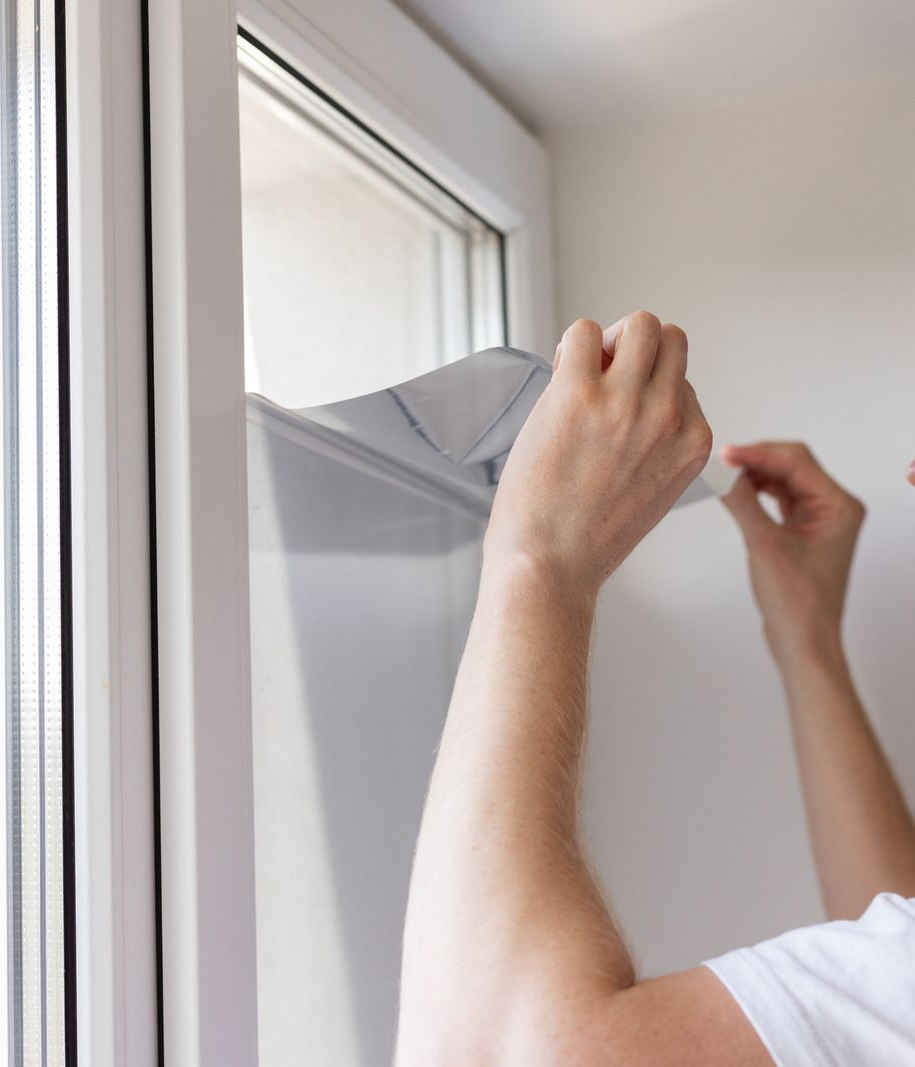
Installation quality matters just as much as the film itself. A clean install with no trapped dust or air pockets is what gives you a smooth, long lasting result, and it is genuinely hard to get right on large panes without the proper tools and a controlled space. We have peeled off plenty of bad DIY jobs over the years, and the redo always takes longer than doing it right the first time would have.
Frequently Asked Questions
How much can window tinting actually lower my energy use?
Most homes we tint see noticeably less AC runtime once the sun stops pouring through untreated glass. The exact drop depends on how many windows you have, which way each one faces, and the film grade you pick. West facing rooms improve fastest because those windows take the worst afternoon sun. Across a full Downey summer, that lighter cooling load adds up, since your system runs shorter cycles instead of fighting heat all day long.
Will tinted windows make my rooms too dark?
No. Modern ceramic film blocks heat while still letting in plenty of daylight, so your rooms stay bright and open. We can match the look you want, from nearly invisible film to a darker shade, without leaving any space feeling closed off or gloomy. Most homeowners are surprised how clear the view stays. The film cuts heat and glare, not your daylight, which is exactly what you want through a long, sun heavy Downey summer.
How long does residential window film last?
Quality ceramic film installed correctly lasts well over a decade, often closer to fifteen years on residential glass. Cheap dyed film fades, bubbles, and turns purple far sooner, sometimes within a few years. Good film paired with a clean install is what separates a result that holds from one you replace early. We back our work, so the film you get on day one keeps performing through many hot Downey summers, not just the first.
Can I install window film myself?
You can, but large home windows are tough to get right. Trapped dust, air pockets, and uneven edges are common on a first attempt, and a bad result usually has to be peeled off and redone. For big panes and lasting heat rejection, a clean professional install is worth it. We have removed plenty of DIY film over the years, and the redo always takes longer than doing it right the first time would have.
Does window tinting protect more than just energy use?
Yes. Quality film blocks close to 99 percent of UV rays, which is what fades your floors, furniture, and curtains over the years. It also cuts the harsh glare that washes out TV and computer screens during the day. On top of that, the film adds a layer that helps hold broken glass together if a pane ever cracks. So you get heat control, fade protection, and a bit more safety from a single upgrade.
Stop Letting the Afternoon Sun Run Your AC
The principle is straightforward: stop the heat at the glass and your whole house cools easier all summer long. In Downey, where wide single pane windows meet months of valley heat and brutal afternoon sun, that gain matters more than it would almost anywhere else. With 30 years tinting homes across Downey, California, we at Direct Tints Inc know exactly which windows are costing you comfort and how to fix them. Call us to schedule window tinting for homes and start with the glass that needs it most.
Why Your Windows Let So Much Heat In
Your windows are the single largest source of unwanted heat in the house, and clear glass does almost nothing to slow it down. When sunlight hits an untreated window, a huge share of that energy passes right through. The infrared part of sunlight, the part you feel as heat, sails through ordinary glass and lands on your floors, your couch, and your walls. Those surfaces warm up and keep throwing heat back into the room long after the sun has moved past the window.
One large west facing window can bring in as much heat as a small space heater running at full power. Put three or four of those windows in a single story home and your AC is already losing the fight by two o'clock. We see it constantly during summer service calls. The system is not broken and the thermostat is not lying. The room is simply gaining heat faster than the unit can pull it out, because nothing is stopping the sun at the glass.
How Window Film Stops Heat Before It Spreads
Window film works by rejecting solar energy at the surface of the glass, before it ever becomes heat inside your home. Good residential film blocks a large portion of infrared and close to 99 percent of ultraviolet light. That means less heat soaking into your rooms and far less fading on your floors and furniture. The better ceramic films can turn away well over half of the total solar energy hitting the window while still letting plenty of daylight through, so your rooms stay bright without turning into an oven.
The energy side is simple once the heat stops pouring in. Your AC cycles on less often and runs for shorter stretches. Hot spots even out, so one room is not freezing while another roasts. During the worst stretch of a summer afternoon, when power demand across the area peaks anyway, your system is working with the house instead of against it. That steady, lower load is where the real savings come from across a full cooling season.
What Tinting Does During a Downey Summer
Downey summers punish west and south facing glass harder than most people expect. The valley heat settles in, afternoon temperatures climb into the 90s for weeks at a stretch, and a Santa Ana event can push things well past that. A lot of homes around here were built in the postwar years with wide picture windows and thin single pane glass, which is close to the worst possible setup for blocking heat. We tint plenty of those older windows, and the change in how the room feels is usually obvious within a day.
That long, dry, sun heavy season is exactly why film pays off faster here than it would in a milder coastal spot. Your AC is not running for a few weeks. It is carrying the house from late spring into October. Cutting the heat load at every window means the system runs easier across all those months, not just on the hottest days. For a Downey home, that is the difference between an AC that limps through summer and one that keeps up without straining.