How Long Does Window Tint Last in Southern California's Climate?
August 13, 2026
Quick Answer: A quality residential window film, installed correctly, typically holds up for 10 to 15 years in Southern California before it needs replacing, though the exact number depends heavily on the film type and which windows it's on. Premium ceramic film can push past that range, sometimes lasting the life of the glass itself, while a budget dyed film can start fading years sooner. The single biggest factor isn't the marketing on the box. It's how much direct, unfiltered sun a given window absorbs day after day, and Southern California hands out more of that than almost anywhere else in the country.
Someone booking a home tinting job almost always asks the same question before they ask about price: how long is this actually going to last? It's a fair thing to want to know before committing to new film on every west-facing window in the house. The honest answer isn't a single number. It's a range that depends on the film itself, the window it's protecting, and how much sun that particular pane of glass sees over a decade of Southern California summers.
What Actually Determines the Number
Film category is the single biggest variable, more than climate, more than installation, more than anything else. Dyed film, the least expensive option on the market, gets its color from organic dye layered into a polyester base. Under strong, consistent UV exposure, that dye breaks down chemically over time, and the film starts to lose its color and its performance well before the glass underneath needs anything.
Carbon film sits a step up. It uses carbon particles rather than dye for its color and heat rejection, and those particles don't degrade the way organic dye does. It tends to hold its performance for a meaningfully longer stretch, often close to double what a comparable dyed film manages under the same conditions.
Ceramic film sits at the top of the range
Built around nano-ceramic particles instead of dye or metal, it resists fading, doesn't interfere with signals, and is the film most likely to be backed by a lifetime warranty from the manufacturer. When people ask about a film that will genuinely outlast the years they plan to own the home, ceramic is usually the answer, and it's a big part of why it costs more upfront.
Why Southern California Tests Film Harder Than a Milder Climate
Most lifespan estimates printed on a film's packaging come from lab testing or from climates that see real winters, cloud cover, and months where the sun barely climbs overhead. Southern California doesn't work that way. The sun here is strong and close to overhead for most of the year, and a west-facing living room window can take a direct, unfiltered hit of afternoon light nearly every day of the summer with almost no break.
That constant exposure matters more than peak intensity. A window that gets hammered by sun for six hours a day, three hundred days a year, accumulates far more cumulative UV damage over a decade than one in a region with a genuine off-season. Film that's rated for years of moderate exposure elsewhere can hit the same wear point noticeably sooner here, simply because there's no real winter to slow the clock down.
Watch how the film ages, not just when it was installed. A gradual, even loss of tint darkness or heat performance across a whole window is normal aging. A patchy, uneven fade, or a shift toward a purple or brownish cast in just one section, usually points to a film that's further along in breaking down than its age alone would suggest.
Not Every Window in the Same House Wears at the Same Rate
Two windows installed with identical film on the same day can look meaningfully different five years later, and the reason almost always comes down to orientation and exposure. West-facing glass absorbs the harshest, most direct light of the day during the hottest hours, and it tends to show fading or performance loss first. South-facing windows run a close second, especially anything without an overhang, awning, or mature tree offering partial shade.
North-facing glass and windows tucked under a covered patio or deep eave see a fraction of the direct exposure and often perform noticeably longer than the same film would elsewhere on the same house. Skylights and other glass that faces almost straight up take some of the most punishing exposure of all, since there's rarely any structure blocking the sun overhead the way a wall does for vertical glass.
This unevenness is normal, and it's worth expecting rather than being surprised by. A homeowner who assumes every window will fail on the same schedule is often caught off guard when the west-facing kitchen window needs attention years before the shaded north bedroom window shows any change at all.
What You Can Actually Control
Film choice and window orientation are largely fixed once the installation is done, but a few habits genuinely extend how long that film keeps performing. Cleaning matters more than most homeowners expect. Ammonia-based glass cleaners attack the film's surface coating and adhesive over time, gradually breaking down a bond that was engineered to last for years. A soft cloth and a cleaner formulated for tinted glass avoid that slow erosion entirely.
Warning: Skip the razor blade or anything abrasive when cleaning tinted glass, even to scrape off a stubborn spot. A scratch through the film's surface coating creates a weak point where moisture and further sun damage move in faster, and that damage doesn't heal or blend back in. It just sits there as a permanent mark.
Physical protection matters too, in ways that are easy to overlook. Window treatments like blinds or curtains pulled tight against hot glass on the sunniest afternoons can trap heat right at the film's surface, which speeds up wear compared to glass that's allowed some airflow. And any renovation work near tinted windows, from painting to installing new trim, is worth doing with the film protected from scrapers, tape residue, or overspray that can leave lasting damage.
Why a Car and a Home Rarely Age the Same Way
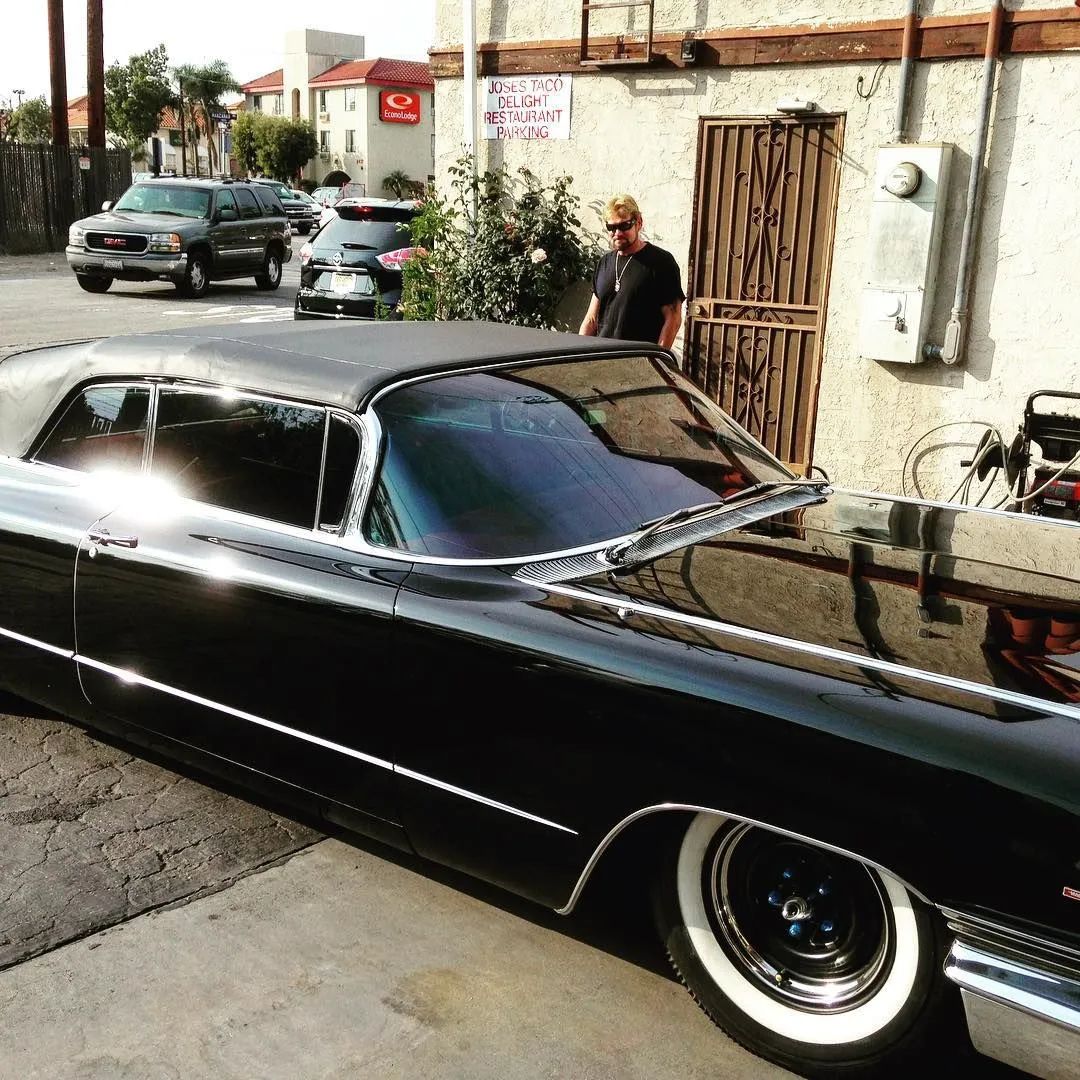
It's a common assumption that window tint should last roughly the same number of years no matter what it's on, but a home and a vehicle put film through very different stress. A parked car heats up dramatically inside a closed glass shell, then cools overnight, then heats up again the next day, and that daily temperature swing stresses adhesive far more than a home's more stable interior climate does. Cars also get their windows rolled up and down repeatedly, which flexes film at the edges in a way that stationary home glass never experiences.
That's a meaningful part of why residential film routinely reaches into the ten-to-fifteen-year range and beyond, while automotive film, especially lower-grade product, can show wear on a noticeably shorter timeline. The glass, the sun, and the region are the same. The daily physical stress on the film is not.
Not Every Window in the Same House Wears at the Same Rate
Two windows installed with identical film on the same day can look meaningfully different five years later, and the reason almost always comes down to orientation and exposure. West-facing glass absorbs the harshest, most direct light of the day during the hottest hours, and it tends to show fading or performance loss first. South-facing windows run a close second, especially anything without an overhang, awning, or mature tree offering partial shade.
North-facing glass and windows tucked under a covered patio or deep eave see a fraction of the direct exposure and often perform noticeably longer than the same film would elsewhere on the same house. Skylights and other glass that faces almost straight up take some of the most punishing exposure of all, since there's rarely any structure blocking the sun overhead the way a wall does for vertical glass.
This unevenness is normal, and it's worth expecting rather than being surprised by. A homeowner who assumes every window will fail on the same schedule is often caught off guard when the west-facing kitchen window needs attention years before the shaded north bedroom window shows any change at all.
When to Have a Film Checked Rather Than Guess
A film nearing the end of its useful life doesn't usually fail all at once. It shows gradual signs first: a slightly weaker cooling effect on a hot afternoon, color that looks a shade lighter than it used to, or a corner that catches light differently than the rest of the window. None of those signs mean immediate failure, but they're worth having a professional look at rather than waiting for something more obvious. A quick evaluation can usually tell whether a window has years of good performance left or whether it's genuinely approaching replacement.
Frequently Asked Questions
Does window tint really last longer on a house than on a car?
Yes. Residential window film experiences less temperature fluctuation and physical stress than automotive film, allowing quality products to commonly last ten to fifteen years or even longer with proper installation.
Do windows on the hottest side of the house really need replacing sooner?
Yes. South- and west-facing windows receive the strongest sun exposure, causing window film to age faster than film installed on shaded or north-facing windows with less direct sunlight.
Can I tell how much life is left in my film just by looking at it?
Partly. Even fading suggests normal aging, while bubbling, discoloration, or uneven color changes usually indicate the film is deteriorating and should be professionally evaluated for replacement.
Does keeping curtains or blinds closed on tinted windows shorten the film's life?
It can. Tightly closed blinds or curtains trap heat against the glass, increasing thermal stress on the film and potentially reducing its lifespan, especially on sun-facing windows.
Is it worth paying more for ceramic film if I don't plan to stay in the house for fifteen years?
Often, yes. Ceramic film provides superior heat rejection, UV protection, and indoor comfort immediately, allowing homeowners to enjoy its benefits regardless of how long they remain in the property.
Do skylights wear out faster than regular windows?
Often. Skylights receive intense, direct sunlight with little natural shade, causing window film to experience greater UV exposure and potentially age faster than film on standard vertical windows.
Understanding Long-Term Window Film Performance
Residential window film does not age according to a fixed timeline. Its lifespan depends on the quality of the material, the direction each window faces, and the amount of sunlight it receives throughout the year. Understanding these factors helps homeowners set realistic expectations and recognize the difference between normal aging and signs that indicate the film is approaching the end of its effective performance. With proper care and suitable film selection, many installations continue delivering reliable comfort, glare reduction, and UV protection for years.
For more than 30
years, Direct Tints Inc
has worked with homeowners throughout Downey, CA, gaining firsthand experience with how Southern California's climate affects residential window film over time. Knowing which windows receive the greatest sun exposure, choosing the appropriate film for each location, and maintaining it correctly all contribute to longer-lasting results. Looking at film performance through these practical factors provides a clearer understanding of longevity than relying on a single estimated lifespan.