Ceramic vs Carbon vs Dyed Window Tint: Which One Is Right for You?
March 19, 2026
Choosing the right window tint for your vehicle or building is more than a matter of aesthetics—it’s a decision that impacts comfort, safety, and long-term protection. Window tinting has evolved significantly over the years, and today, the market offers a variety of film technologies, each with distinct characteristics. Among the most popular options are ceramic, carbon, and dyed tints. While they may all provide a darker shade and UV protection, the materials, durability, heat rejection capabilities, and overall performance vary considerably. Understanding these differences is crucial for making an informed decision tailored to your needs and budget.
With advancements in film technology, consumers now have the opportunity to select tints that enhance both functionality and appearance. Ceramic tints, for instance, are renowned for their superior heat rejection and clarity, while carbon tints offer a balanced combination of performance and affordability. Dyed films, on the other hand, are popular for their aesthetic appeal and cost-effectiveness. This blog will provide an in-depth comparison of ceramic, carbon, and dyed window tints, outlining their benefits, limitations, and ideal use scenarios. By the end, you’ll have a clear understanding of which type aligns best with your requirements and lifestyle.
Comparing Performance Factors
Heat Rejection
Ceramic: Superior; maintains interior coolness even in intense sunlight.
Carbon: Moderate; effectively reduces heat but may fall short in extremely hot climates.
Dyed: Limited; primarily reduces glare rather than overall heat.
Real-World Scenario: A driver in Southern California may find ceramic tints invaluable during summer, while someone in a cooler, shaded area may find carbon or dyed tints sufficient.
UV Protection
Ceramic: Up to 99% UV blockage, protecting both skin and interior surfaces.
Carbon: High UV protection, comparable to ceramic in many cases.
Dyed: Moderate UV protection; some long-term fading can occur.
Expert Insight: Prolonged exposure to UV rays can damage upholstery, dashboards, and furnishings. Ceramic and carbon tints provide superior defense, prolonging the life of interiors.
Longevity and Durability
Ceramic: 8–10 years or more with proper installation; resists fading, bubbling, and discoloration.
Carbon: 5–8 years; maintains color and performance over time.
Dyed: 3–5 years; more prone to fading and peeling under extreme conditions.
Best Practice: Regular maintenance and avoiding abrasive cleaners can extend tint life across all types, but choosing a higher-quality film inherently improves longevity.
Installation and Maintenance Considerations
Professional vs. DIY Installation
Ceramic and Carbon Films
- Require precise cutting, clean application, and sometimes heat treatment.
- Professional installation ensures bubble-free, smooth results and maximizes performance.
Dyed Films
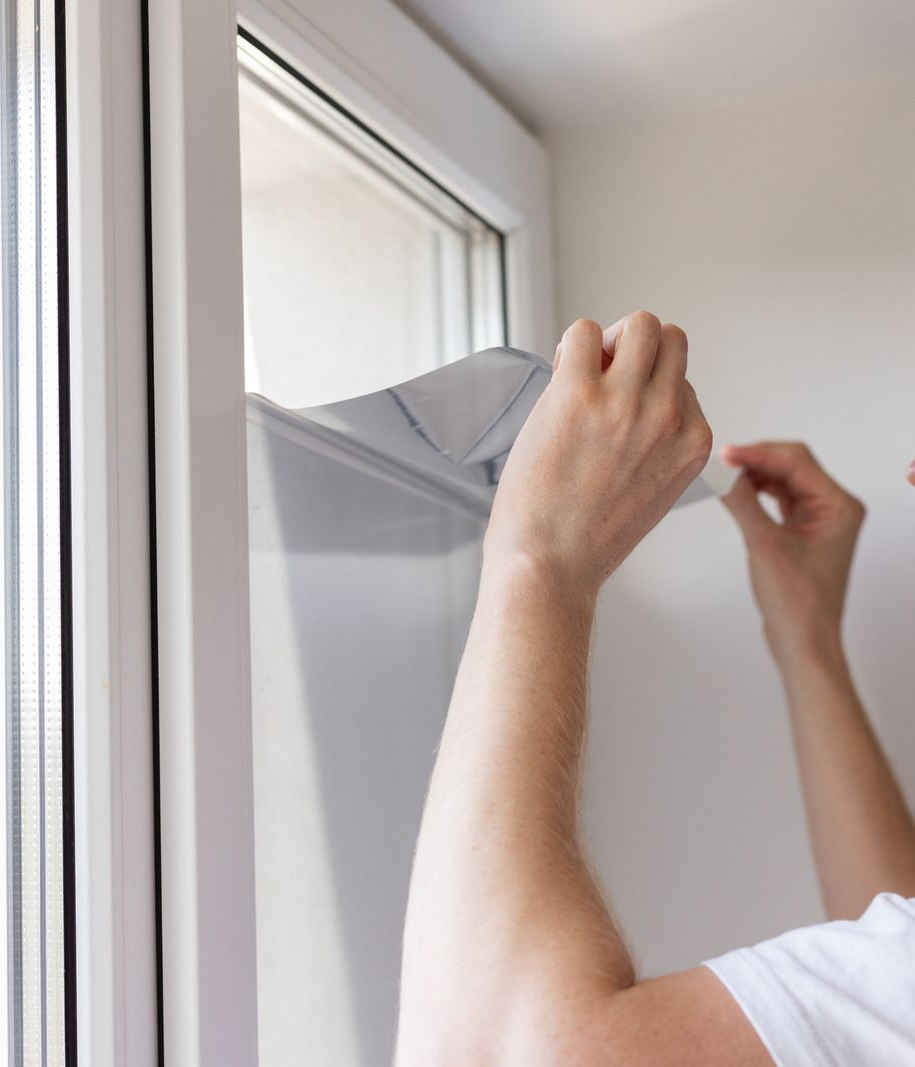
- Can be more forgiving for DIY installation, though professional application still enhances lifespan and appearance.
Maintenance Tips
- Clean with a soft cloth and non-abrasive, ammonia-free cleaners.
- Avoid razor blades or sharp objects on the tinted surface.
- Inspect edges periodically for lifting or peeling, especially with dyed films.
Real-World Example: A vehicle with ceramic tints installed professionally may maintain optimal heat rejection for a decade, whereas a DIY dyed tint may fade or bubble within a few years.
Cost Considerations and Value
Initial Cost vs. Long-Term Value
- Ceramic Tints: Highest upfront cost, but long-term durability and performance justify the investment.
- Carbon Tints: Moderate cost; offers a strong balance between performance and price.
- Dyed Tints: Low cost initially, but potential replacements over time can reduce overall value.
Budget Planning Example:
If a vehicle owner chooses dyed tint at $100, but needs replacement every 3 years, over 9 years, they may spend $300, approaching the cost of a single ceramic installation that lasts a decade.
Expert Tip:
Factor in not just price, but longevity, heat reduction, UV protection, and aesthetic retention when calculating value.
Aesthetic and Lifestyle Considerations
Vehicle Owners:
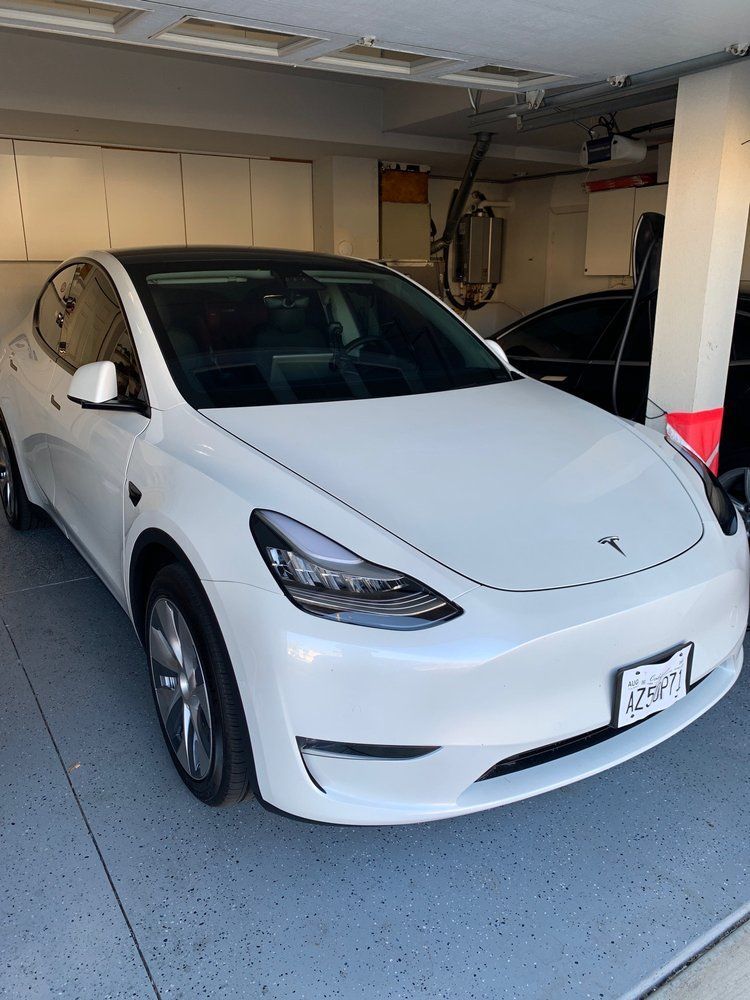
- Ceramic: Premium look, clear view, superior comfort.
- Carbon: Sporty, modern appearance, reliable heat reduction.
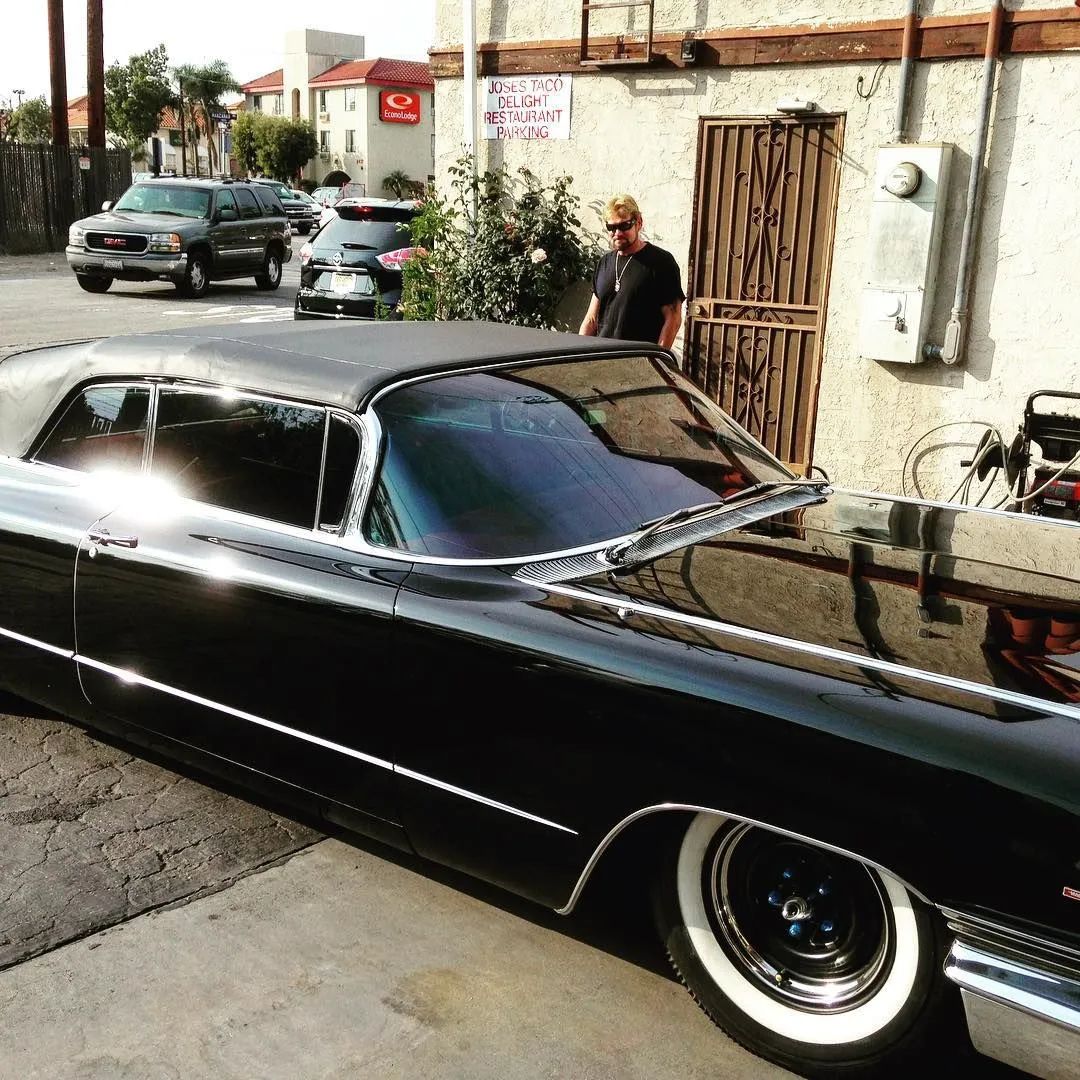
- Dyed: Classic, dark tint; excellent for privacy and style on a budget.
Home or Office Windows:
- Ceramic: Optimal for climate control, energy efficiency, and glare reduction.
- Carbon: Stylish and functional, maintains interior consistency.
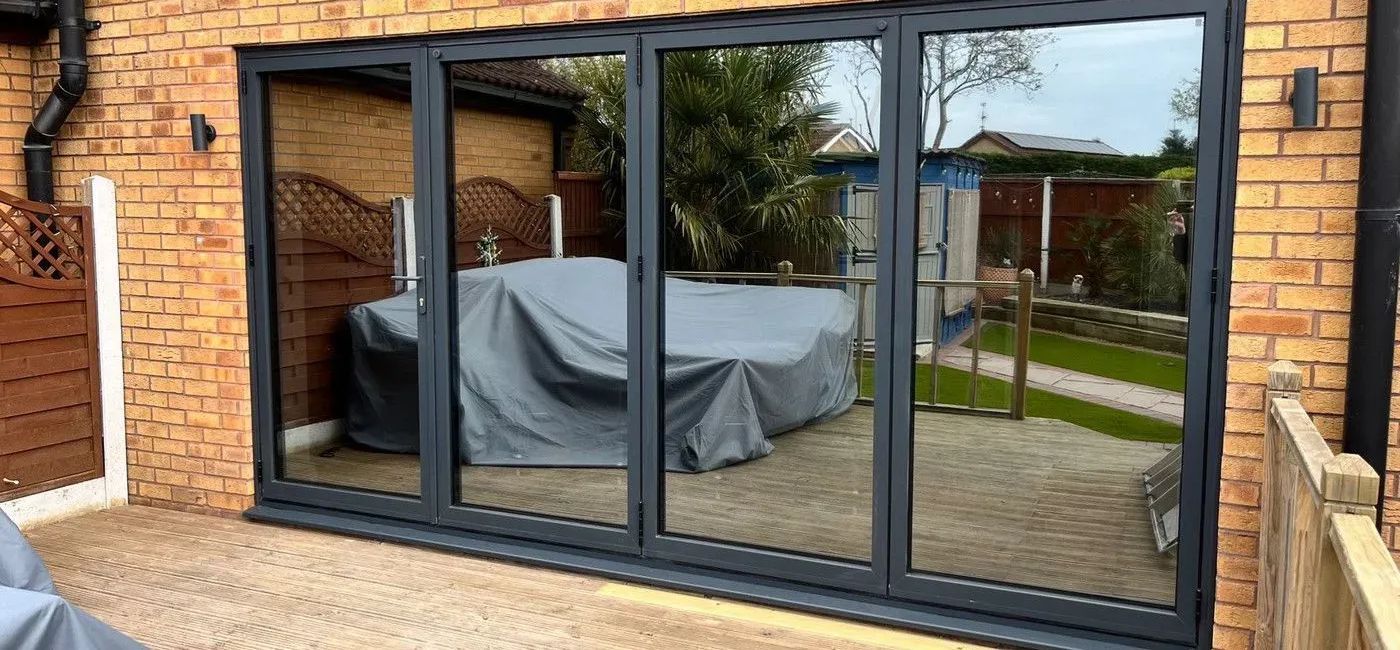
- Dyed: Simple, cost-effective solution for glare and privacy, but less effective for temperature control.
Lifestyle Match:
For urban commuters, professional drivers, or those in hot climates, ceramic tints can dramatically improve comfort and safety. For casual drivers or budget-conscious property owners, carbon or dyed tints provide sufficient performance without premium cost.
Choosing the Right Window Tint for You
Step 1: Identify Your Priorities
- Are you looking primarily for heat reduction, UV protection, aesthetics, or cost savings?
- Consider climate, daily sun exposure, and usage patterns.
Step 2: Compare Film Features
- Heat rejection percentages
- UV protection levels
- Longevity and maintenance requirements
- Signal compatibility for electronic devices
Step 3: Assess Budget and Value
- Calculate long-term costs versus initial investment.
- Factor in potential replacements and performance degradation over time.
Step 4: Consult Professionals
- Professional installers can recommend the best type based on your vehicle or property.
- They ensure correct application for optimal performance and durability.
Expert Recommendation:
Prioritize quality over price when selecting window tints. A higher-quality tint may offer better protection, durability, and comfort, ultimately saving money in the long run.
Experienced Tinting Specialists Delivering Long-Term Value
Selecting the right window tint requires balancing performance, aesthetics, and budget. Ceramic tints offer unmatched heat rejection, UV protection, and durability, making them ideal for those seeking long-term benefits. Carbon tints provide a solid mid-range option, combining effective performance with a stylish, matte finish. Dyed tints, while cost-effective and visually appealing, may fall short in heat and UV protection, requiring more frequent replacement. By evaluating your priorities—whether comfort, appearance, or budget—you can choose a film that aligns with your lifestyle and environment.
For those seeking professional guidance and high-quality installation, Direct Tints Inc
in Downey, California, offers over 30
years of expertise in
window tinting services. Our team combines technical knowledge with meticulous attention to detail, ensuring every installation delivers optimal heat rejection, UV protection, and lasting aesthetic appeal. Trusted by countless clients, we provide personalized recommendations, premium films, and professional application. Whether upgrading a vehicle or enhancing property windows, we stand as a reliable partner in delivering superior performance, style, and long-term value.
Understanding Window Tint Types
Ceramic Window Tint
Composition and Technology
Ceramic window tints are made from advanced ceramic particles that are non-metallic and non-conductive. Unlike traditional films that rely on dyes or metals to block sunlight, ceramic tints utilize microscopic ceramic components to absorb and reflect infrared light. This ensures superior heat rejection without compromising visibility.
Key Benefits
- Exceptional Heat Rejection: Ceramic films can block up to 50–70% of solar heat, keeping vehicle interiors significantly cooler.
- UV Protection: They can filter up to 99% of harmful UV rays, reducing skin damage and preventing interior fading.
- Clarity and Aesthetics: Ceramic films maintain excellent optical clarity and resist discoloration over time.
- No Signal Interference: Because they are non-metallic, ceramic films do not interfere with GPS, radio, or mobile signals.
Challenges and Considerations
- Higher Cost: Ceramic tints are generally more expensive than carbon or dyed films.
- Professional Installation Recommended: To maximize performance and longevity, expert installation is crucial.
Best Use Cases
Ceramic window tints are ideal for those prioritizing comfort, UV protection, and long-term durability. They are particularly suited for high-end vehicles, offices, or residential properties in areas with intense sunlight.
Carbon Window Tint
Composition and Technology
Carbon window tints contain carbon particles embedded in the film. These films absorb infrared light effectively and provide a matte finish that enhances aesthetics while delivering reliable performance. Unlike metallic films, carbon tints are non-conductive, making them safe around electronic devices.
Key Benefits
- Moderate Heat Rejection: Carbon films reduce heat build-up effectively, though slightly less than ceramic options.
- UV Protection: They block a significant portion of UV radiation, safeguarding passengers and interiors.
- Long-Lasting Color: Carbon films resist fading and maintain a consistent appearance over time.
- Signal Safe: No interference with electronics or mobile signals, a key advantage over metallic films.
Challenges and Considerations
- Slightly Lower Performance in Extreme Heat: While efficient, carbon films may not match ceramic films in very hot climates.
- Cost: Generally more affordable than ceramic, but pricier than dyed tints.
Best Use Cases
Carbon tints are an excellent mid-range option for drivers or property owners seeking a combination of performance, longevity, and value. They are suitable for vehicles frequently exposed to moderate to high sunlight and homeowners seeking a stylish, functional tint for large windows.
Dyed Window Tint
Composition and Technology
Dyed window tints are created by layering a dye film between adhesive and protective layers. The dye absorbs sunlight, reducing glare and providing a darker appearance. While they are the most economical option, they offer limited heat rejection compared to ceramic or carbon films.
Key Benefits
- Cost-Effective: Dyed films are significantly less expensive than carbon or ceramic alternatives.
- Aesthetic Appeal: They provide a uniform, deep black appearance, enhancing the look of vehicles and buildings.
- Glare Reduction: Effective at minimizing glare, making driving or indoor living more comfortable.
Challenges and Considerations
- Limited Heat Rejection: Dyed films block some heat but are less effective than ceramic or carbon tints.
- Shorter Lifespan: Dyed tints are prone to fading, bubbling, or discoloration over time.
- Lower UV Protection: While they reduce UV exposure, they generally offer less protection than ceramic or carbon films.
Best Use Cases
Dyed tints are ideal for budget-conscious consumers who primarily want enhanced aesthetics and moderate glare reduction. They work well in vehicles or residential windows where extreme heat protection is not a top priority.